Boron Carbide

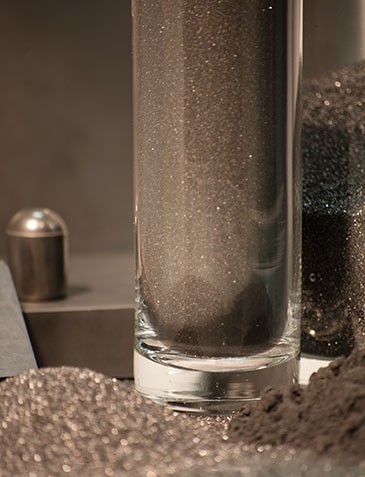
Boron Carbide is an exceptionally hard material (Mohs hardness > 9) and is one of the hardest materials known behind diamond and cubic boron nitride.  The material is sought after due to its high hardness, abrasive wear resistance, fracture toughness, chemical inertness, and its neutron absorbing properties which is important to the nuclear industry.  Boron Carbide powders can be used for reaction bonded, hot-pressed or sintered ceramic applications.  The material is therefore well suited for technical ceramics, wear parts, and other industrial applications as well as military uses such as body and vehicle armor.  Other uses include refractory additives and honing sticks.  Our facility in Northbrook Illinois specializes in the processing of boron carbide utilizing state of the art milling and classification equipment.

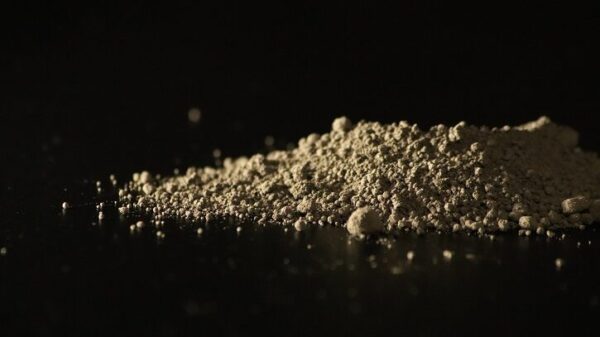
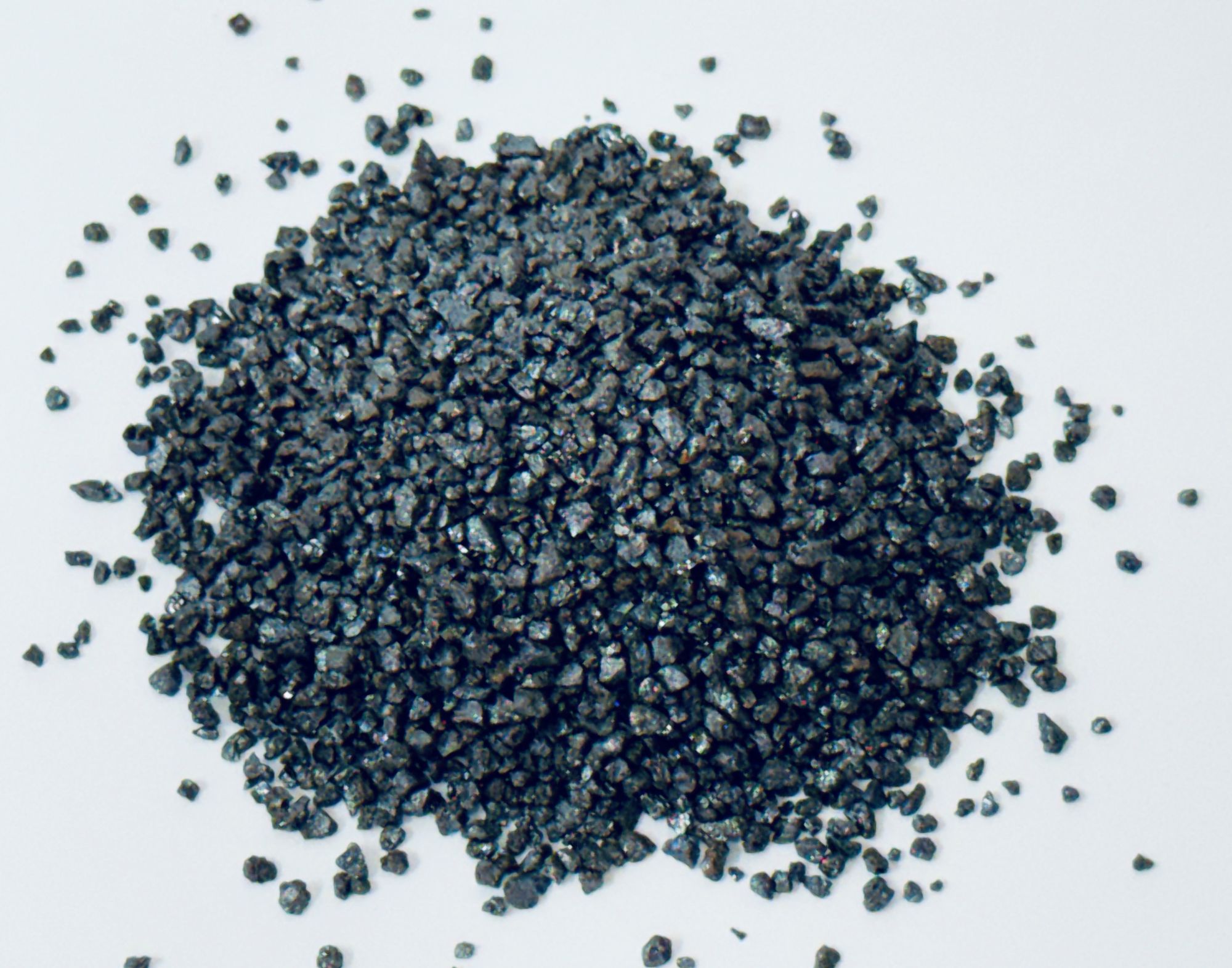
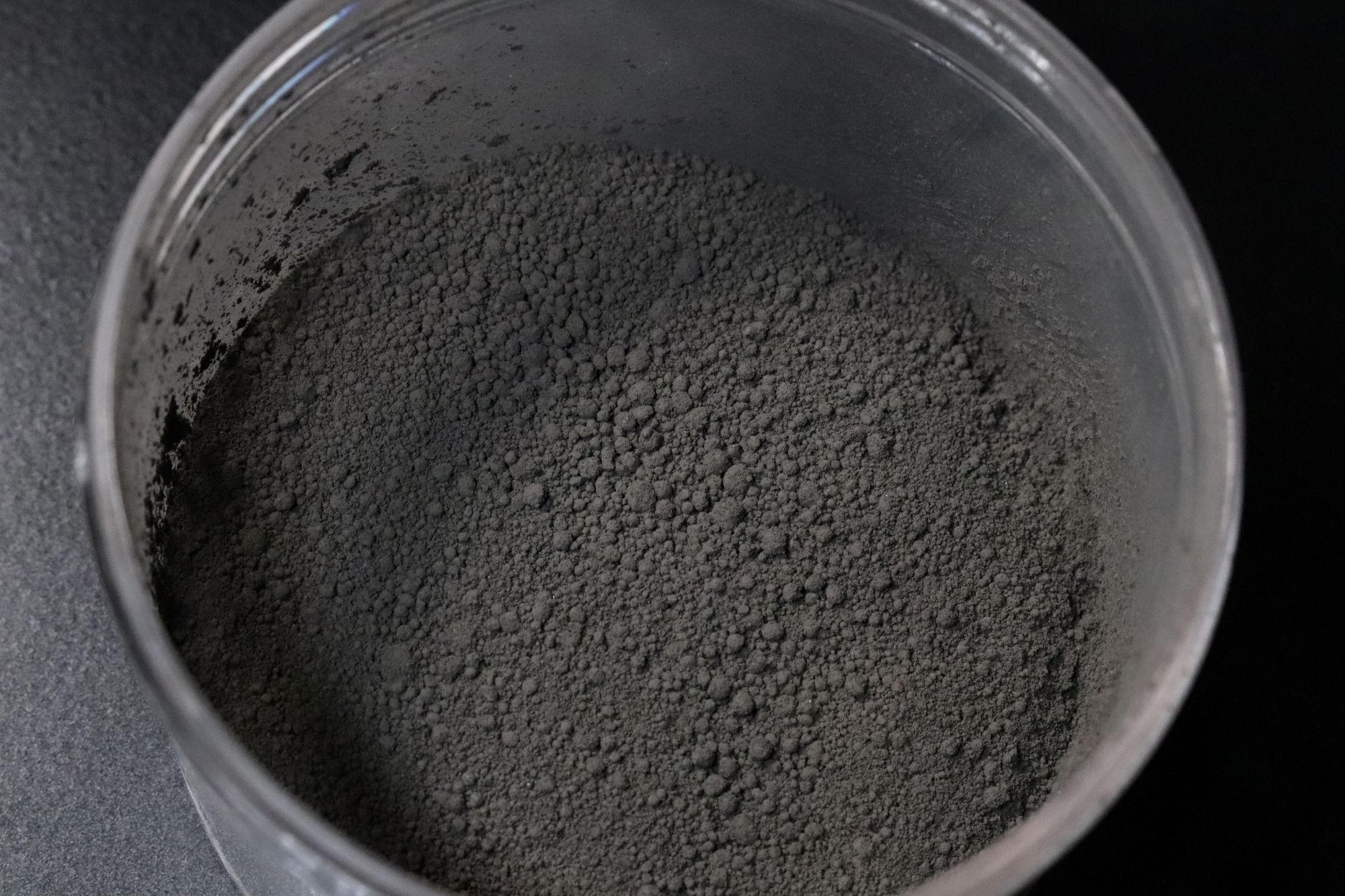
GNPGraystar offers boron carbide in several specialized grades, including nuclear, sinter, and hot-pressed formulations, each engineered for a specific manufacturing process or end use.
Frequently Asked Questions

Boron carbide (B4C) is utilized wherever a fusion of intense hardness, minimal weight, and chemical durability is required. Primary applications encompass ballistic protection for personnel and vehicles, industrial wear components such as nozzles and dressing sticks, as well as loose abrasive and lapping media. It further serves as a refractory enhancer and a critical neutron-absorbing element within the nuclear sector.

Possessing a Mohs hardness exceeding 9 (specifically near 9.3), boron carbide is recognized as one of the hardest substances known, trailing only diamond and cubic boron nitride. Its Vickers hardness generally ranges from 30 to 36 GPa, contingent upon the specific grade and purity level.

Boron Carbide Powders consist of FEPA-graded grits intended for abrasive applications. Nuclear Grade is specifically produced for precise boron concentration and neutron cross-section performance. Sinter Grade and Hot-Pressed Grade are ultra-fine, sub-micron powders designed for advanced ceramic fabrication, with the former optimized for pressureless processes and the latter for achieving peak density during hot pressing.

Standard industrial hygiene practices for fine powders should be followed, including the use of gloves, safety glasses, and NIOSH-rated respiratory protection to prevent inhalation. Users should consult the Safety Data Sheet (SDS) for detailed protocols regarding personal protective equipment and material storage.

The material is synthesized through the high-temperature reaction of Boron Trioxide and Carbon within an electric arc furnace. This resulting product is subsequently crushed, milled, and purified to meet specific particle size distributions and technical requirements.